

 Company Profiles
 Company Culture
 Message
 Honor
Honor Video Center
 Company Reality
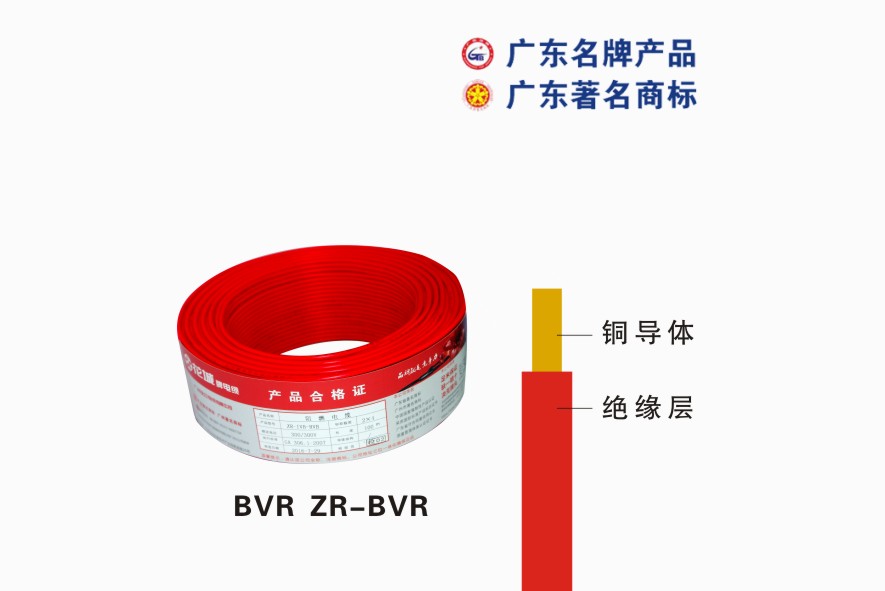 Pearl River Cable
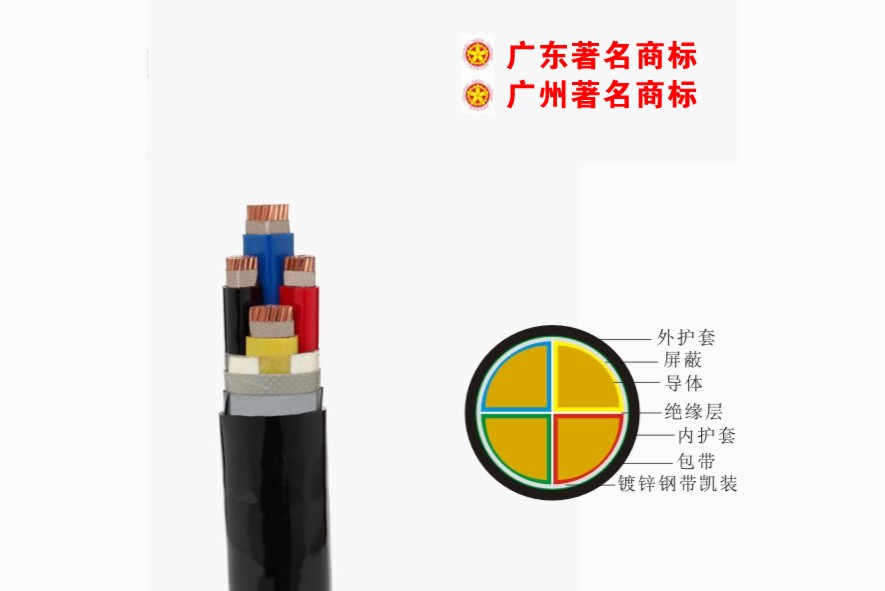 Low Voltage Cable
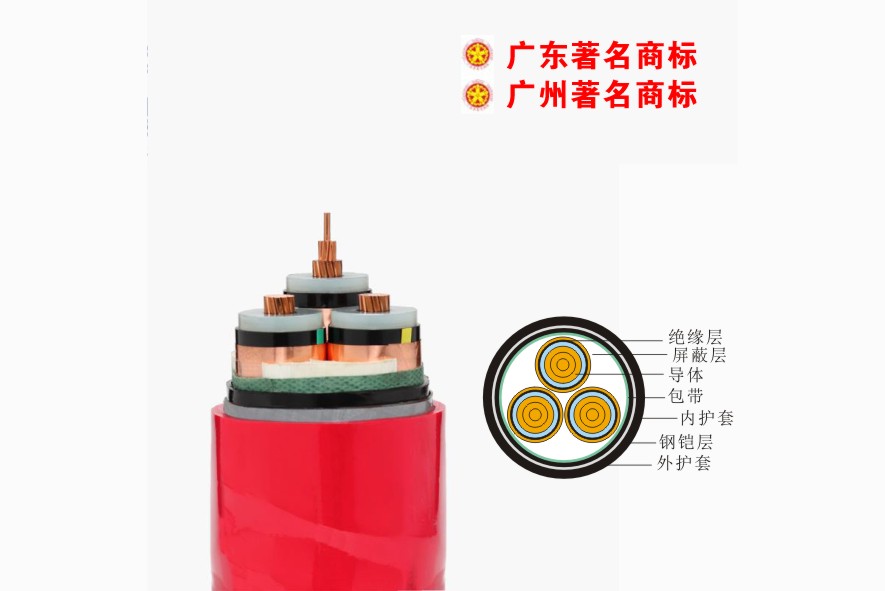 Medium Voltage
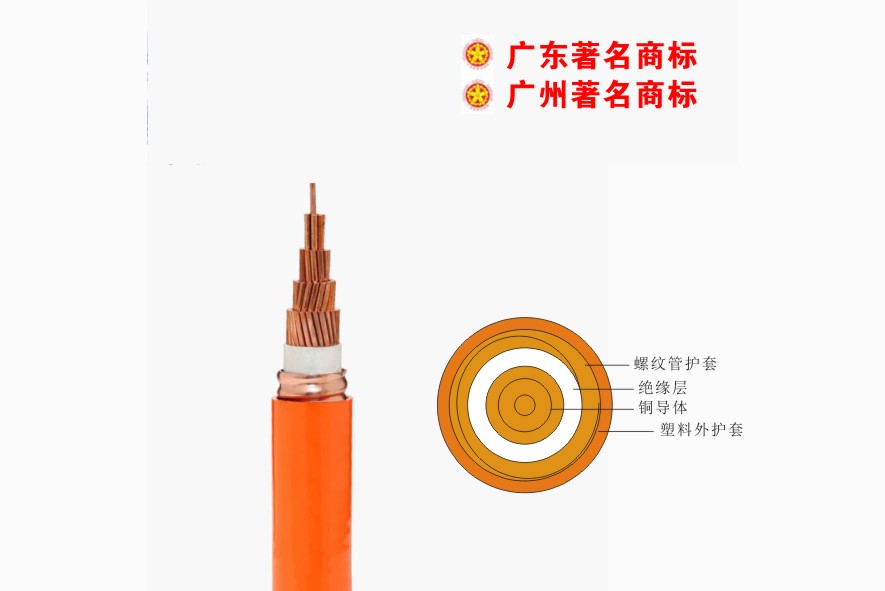 Mineral Cable
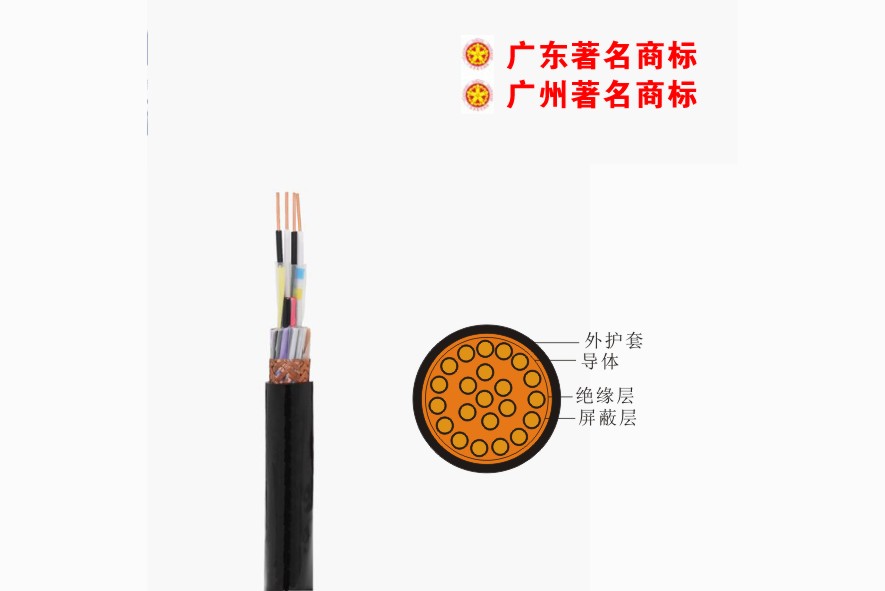 Control Signal Cable
 Corporate News
 Cable Information
 Media Reports
 Network Reprint
What is the impact of different Pearl River cable types on data centers?
When evaluating fiber optic cable types, network administrators should carefully consider their bandwidth, compatibility, and troubleshooting requirements.
Optical fiber connection used to be only used in some special occasions, but now it has become the standard for high-speed network connections, partly due to the consolidation of computing power. This has led to a demand for a higher density network platform that can handle a large number of high-speed link aggregations. Other forms of connection, such as copper wires, are still used in situations such as out-of-band networks, but more commonly, they operate at lower connection speeds. When operating a modern data center network, knowledge of fiber optic cable types, or at least a basic understanding of them, becomes a requirement.
SFP affects fiber speed and compatibility
Many applications in today's data centers require 10Gb of bandwidth for data path interfaces. When the data center is migrating from copper media with 10Gb bandwidth to fiber optic media, most network administrators have encountered the problem of too low fiber transmission speed. To connect more than 330 feet of cable-this is the maximum length that copper wire can support, many people use fiber optic cables with SX-type transceivers or light guides. SX-type optical cables are common in small form-factor pluggable (SFP) formats, and can be laid for a distance of nearly 700 feet.
The small pluggable format has become a standard configuration for 1Gigabit Ethernet connections, however, one such module can only provide up to 1.25Gb of bandwidth. To break through this limitation, SFP+ modules with the same format but supporting 10Gb Ethernet are required. In many cases, if a switch compatible with SFP+ modules supports low-speed SFP modules, it will cause (in the network segment) many 10Gb capacity switches to be backward compatible with 1Gb SFP modules.
Today, most switch platforms are based on SFP+, that is, switches can usually support various types of SFP and SFP+ optical cables. At 10Gb speeds, SR fiber can usually be shared by 10 applications, and can support standard multimode fiber with a range of more than 1,000 feet, making it an ideal choice for 10Gb applications in data centers.
Today, when the form factor of SFP is common, the switches and optical fiber type modules are independent of each other. As long as the cable types match, the module form factor is not important, which makes it possible to connect different forms of 10Gb platform modules with different types of platforms. When connecting different modules, make sure you have the appropriate type of fiber optic cable, because different form factors will require different fiber optic connectors. Older modules rely on SC-type connectors, while brand new modules, such as SFP and SFP+, rely on LC-type connectors.
Evolution of fiber optic cable types
In order to help administrators solve link problems, the latest optical devices use digital diagnostic monitoring (DDM) functions, also known as digital optical monitoring, to provide information about optics to platforms that have already been connected. Most switches are capable of investigating information and reporting this information to the administrator, but DDM provides key information, such as light receiving level, real-time transmit power, and transceiver temperature. All optical devices have a fixed range of light that can be received, usually expressed in decibels. Use the information provided by DDM to solve the fiber link problem and ensure that the transceiver and fiber optic cable can work as expected. Low-priced optical equipment usually does not have DDM capabilities, so evaluate the capabilities of the transceiver before purchasing.
With the increasing popularity of optical fiber, data center network administrators will no longer rely on copper wires for connections. As bandwidth requirements increase, so does the need for improvements in fiber optic cable types. Keeping up with this round of reforms and understanding possible options can often save a lot of time and money.